Technical direction
Turn unclear technical and business risks into testable priorities, decisions, and execution plans.
Engineering leadership for the next generation of physical products
I’m Charles McNall, an engineering and product-development leader with 18+ years of experience building medical devices, automated manufacturing systems, robotics, and startup products. I combine deep physical-product experience with practical AI to help teams solve hard problems and move faster.
Engineering leadership
My career has been built around products that have to work in the real world: regulated medical devices, precision mechanisms, microfluidics, automation, electronics, firmware, software, and high-volume manufacturing.
I am most useful where the technical problem is ambiguous, the business consequences are significant, and success requires engineering judgment across traditional discipline boundaries. I help establish the problem, build the evidence, align the team, and translate the solution into a manufacturable result.
Startup Chuck is both my engineering portfolio and my independent product-development practice. It documents the products, companies, and systems I have helped build while providing a practical way for founders and technical teams to work with me.
Turn unclear technical and business risks into testable priorities, decisions, and execution plans.
Connect R&D, quality, operations, suppliers, technicians, software, and manufacturing around outcomes.
Build repeatable workflows for investigation, validation, design transfer, learning, and scale.
Mentor engineers and teach practical AI use without compromising judgment, testing, or accountability.
Leadership impact
Selected examples avoid confidential design details while preserving the scale, role, and measurable result.
Played a key engineering role in resolving 5+ manufacturing and quality failures—including problems addressed through formal CAPAs—that produced scrap rates above 50% and threatened product availability, manufacturing continuity, and the company’s ability to scale.
Contributed technical analysis and engineering solutions across root-cause investigation, corrective action, product and process redesign, validation, and production recovery.
Result: Restored stable manufacturing, supported growth beyond 20 million consumable units annually, and helped protect hundreds of millions of dollars in cumulative revenue exposure.
Developed and transferred a microfluidic chemistry-deposition instrument into production ahead of schedule, then designed robotic dispensing integrated into automated manufacturing.
Result: Increased capacity 20× to 200,000 parts per month while reducing labor requirements.
Developed catheter controls, OCT imaging mechanisms, atherectomy technology, automated device systems, production fixtures, and rapid design improvements informed by physicians, animal labs, and clinical cases.
Result: Helped launch five medical devices and contributed to 10+ granted patents across the company tenure.
Co-founded and led product design, IP, tooling, suppliers, manufacturing, fundraising, fulfillment, commercialization, and daily operations for an innovative ski- and bike-rack company.
Result: Reached break-even and $250K in first-year sales, established outsourced production, and completed an exit in 2024.
Practical AI for engineering
I use AI to cross traditional discipline boundaries and shorten the path from unfamiliar system to working prototype, test evidence, root cause, and validated solution. The value is not novelty; it is giving experienced engineers more range, speed, and access to technical knowledge.
I also teach engineers where AI meaningfully improves the work and where conventional engineering judgment, controlled testing, documentation, and verification remain essential.
Combine documentation, measurements, electronics, protocols, and software to understand unfamiliar systems.
Bridge mechanical, electrical, controls, robotics, firmware, and software work into one practical workflow.
Accelerate research, hypothesis generation, experiment design, data interpretation, and technical communication.
Create scripts, firmware, utilities, interfaces, test systems, and prototypes faster while preserving validation.
Startup Chuck field notes
Experience-backed guides on startup validation, AI-enabled engineering, fundraising, product development, manufacturing, and founder exits.
Use AI to expand engineering range and accelerate evidence—not to skip prototypes, testing, documentation, or accountability.
Read the field guideStart with a repeated problem, make the smallest sellable test, and let a real purchase—not a compliment—validate demand.
Watch and read the transcriptA first-person guide to buyer fit, broker agreements, diligence, deal structure, transition work, and the true value of getting your time back.
Watch and read the transcriptSelected technical work
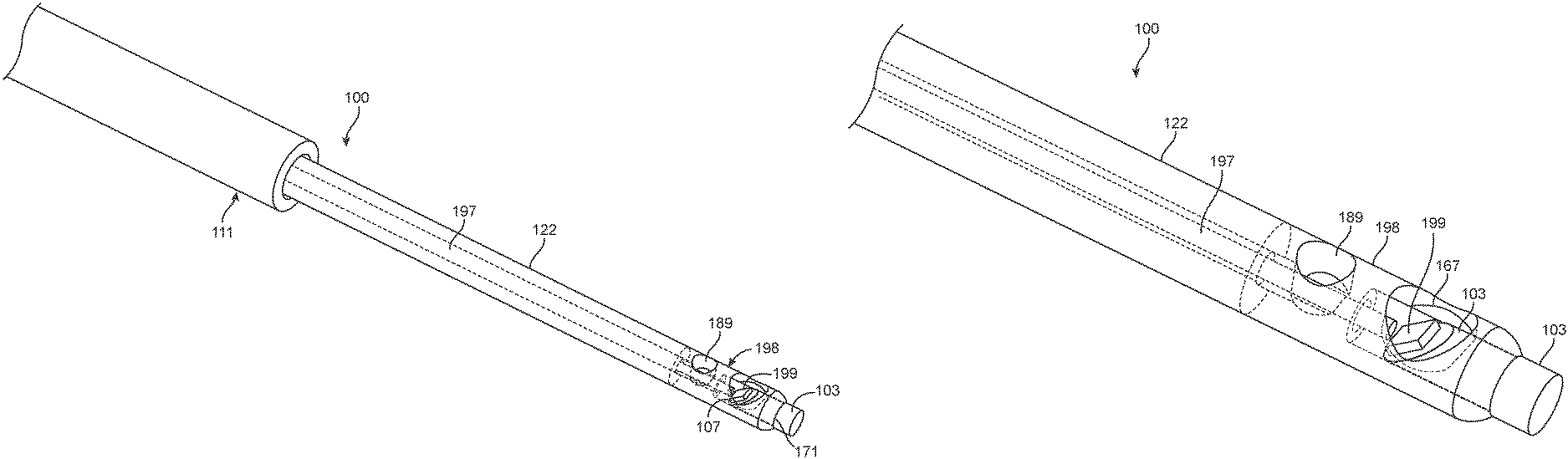
Precision catheter mechanisms, OCT imaging, device controls, clinical feedback, and design transfer.
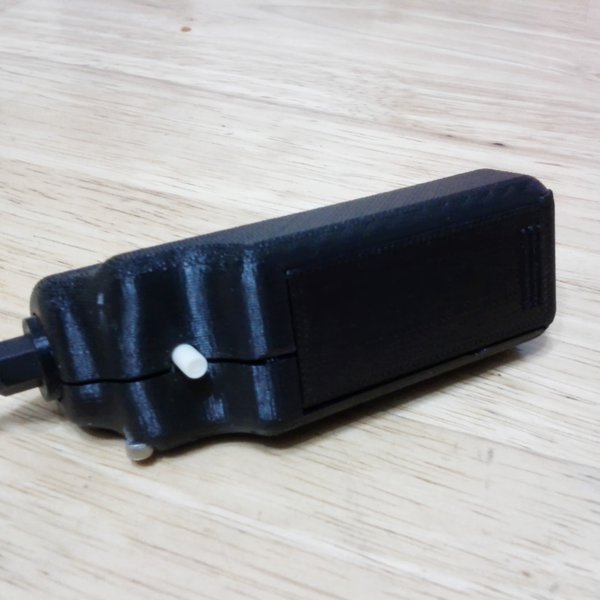
Fast iteration across form, fit, function, ergonomics, mechanisms, and manufacturability.
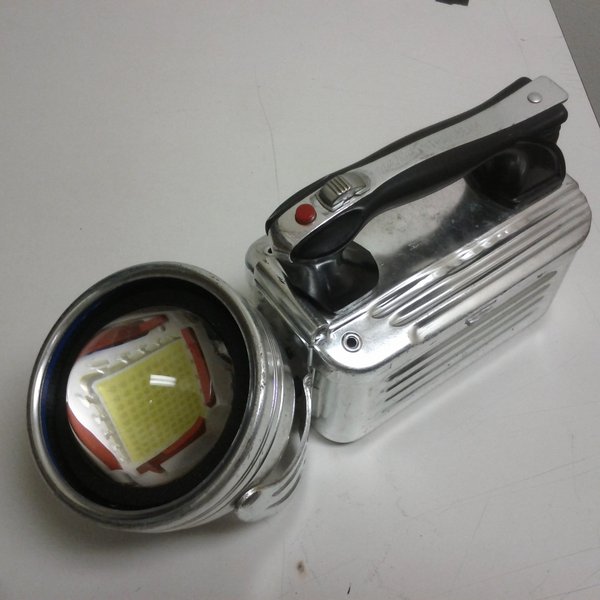
Hands-on integration of housings, electronics, controls, thermal management, and user experience.
Independent consulting
Engagements can start with a narrow technical review, a prototype sprint, or a focused decision—without committing to a large agency scope before the problem is understood.
Clarify the customer, core use case, technical risks, business path, and the cheapest useful test.
Turn sketches, measurements, and rough concepts into models, drawings, fixtures, and working prototypes.
Integrate mechanisms, electronics, sensors, controls, test systems, robotics, firmware, and software.
Improve DFM, materials, tolerances, assembly, validation, suppliers, tooling, cost, and production transfer.
Understand existing products and systems to support interfaces, improvements, replacement parts, and new capabilities.
Apply practical AI to technical research, documentation, software, firmware, troubleshooting, and engineering workflows.
Contact
Hiring an engineering leader, building a physical product, or trying to recover a difficult technical program? Share the short version of the opportunity and where stronger engineering leverage would help.